
Deutsch: Überfüllung / Español: Saturación / Português: Superlotação / Français: Surfréquentation / Italiano: Sovraffollamento
Overcrowding in the context of travel and tourism refers to a situation where the number of visitors in a destination, attraction, or transport system exceeds its capacity, leading to negative impacts on the environment, local communities, and the visitor experience. This phenomenon has become increasingly prevalent in popular tourist destinations, driven by factors such as globalization, affordable travel, and the rise of social media. While tourism is a vital economic driver, unmanaged overcrowding can undermine the sustainability of destinations and diminish their long-term appeal.
General Description
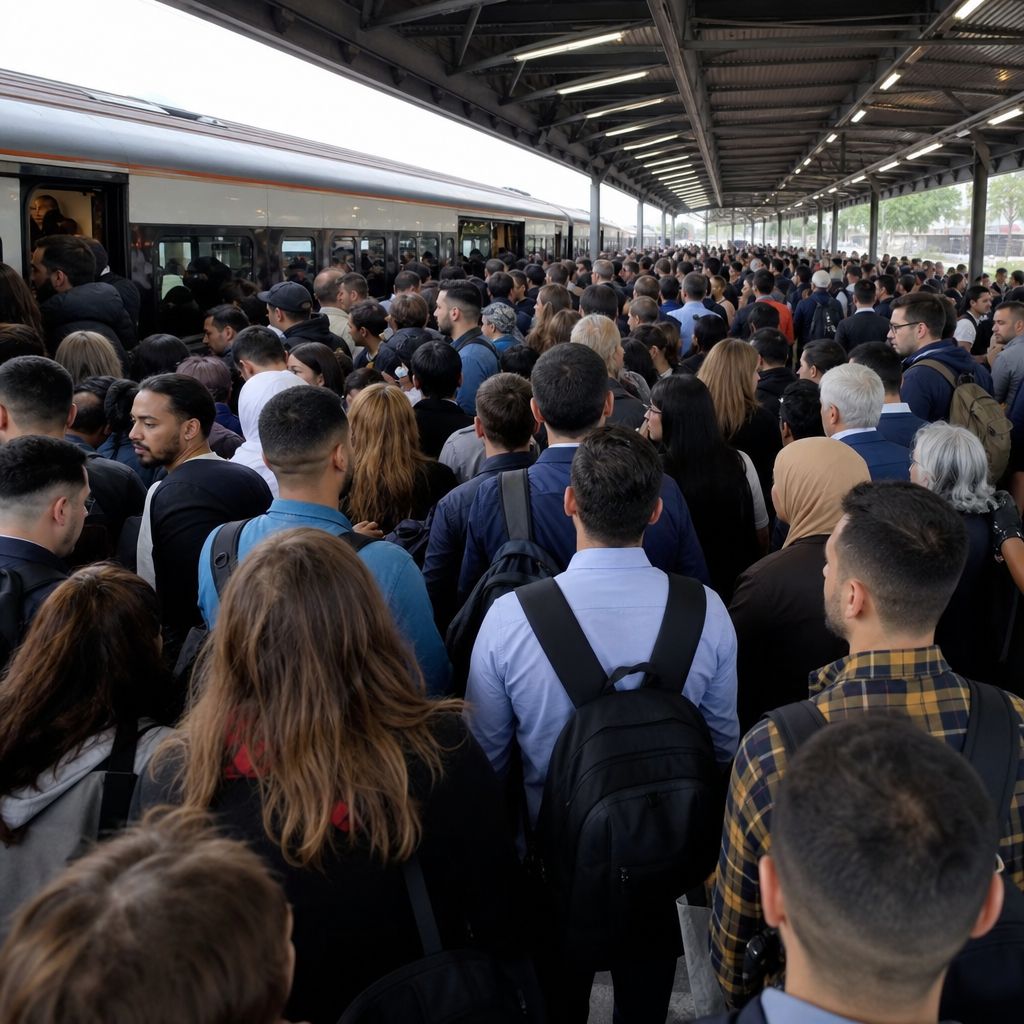
Overcrowding occurs when the demand for access to a tourist site, event, or infrastructure surpasses its physical, environmental, or social carrying capacity. Carrying capacity, a concept borrowed from ecology, defines the maximum number of visitors a destination can accommodate without causing irreversible damage to its natural, cultural, or built environment. In tourism, this threshold is often exceeded due to seasonal peaks, inadequate planning, or insufficient regulatory measures. The consequences of overcrowding are multifaceted, affecting not only the quality of the visitor experience but also the well-being of local residents and the integrity of heritage sites.
The phenomenon is particularly acute in urban destinations, UNESCO World Heritage Sites, and natural parks, where the concentration of visitors can lead to congestion, environmental degradation, and cultural erosion. For example, cities like Venice, Barcelona, and Amsterdam have implemented measures such as visitor caps, entry fees, and restrictions on short-term rentals to mitigate the effects of overcrowding. Similarly, protected areas like Machu Picchu and the Galápagos Islands have introduced timed entry systems and visitor quotas to preserve their ecological and historical significance. Overcrowding is not limited to physical spaces; it also affects transport systems, such as airports, cruise terminals, and public transit, where delays and discomfort can significantly impair the travel experience.
Causes and Contributing Factors
Several interrelated factors contribute to overcrowding in tourism. One of the primary drivers is the exponential growth of global tourism, fueled by rising disposable incomes, the expansion of low-cost airlines, and the proliferation of online booking platforms. According to the United Nations World Tourism Organization (UNWTO), international tourist arrivals increased from 25 million in 1950 to 1.5 billion in 2019, with projections suggesting further growth. This surge in demand is often concentrated in a small number of "hotspot" destinations, leading to disproportionate pressure on their infrastructure and resources.
Seasonality also plays a critical role in exacerbating overcrowding. Many destinations experience peak visitation during specific periods, such as summer months, holidays, or cultural festivals. For instance, the Mediterranean region sees a significant influx of tourists during July and August, straining local services and accommodations. Similarly, events like the Running of the Bulls in Pamplona or the Cherry Blossom Festival in Kyoto attract large crowds within a short timeframe, creating temporary but intense overcrowding. The lack of diversification in tourism offerings further compounds the problem, as visitors tend to flock to the same iconic sites, leaving other areas underutilized.
Technological advancements, particularly the rise of social media, have also contributed to overcrowding by amplifying the visibility of certain destinations. Platforms like Instagram and TikTok can turn obscure locations into overnight sensations, leading to sudden spikes in visitation. This phenomenon, often referred to as "Instagram tourism" or "overtourism 2.0," has been observed in places like the Trolltunga cliff in Norway or the Blue Lagoon in Iceland, where viral images have driven unprecedented visitor numbers. While social media can promote tourism, it also accelerates the concentration of visitors in fragile or unprepared destinations.
Impacts of Overcrowding
The impacts of overcrowding are far-reaching and can be categorized into environmental, social, economic, and cultural dimensions. Environmentally, excessive visitation can lead to habitat destruction, pollution, and the depletion of natural resources. For example, coral reefs in destinations like Thailand and Australia have suffered damage due to snorkeling and diving activities, while hiking trails in national parks such as Yosemite and the Swiss Alps have eroded under the weight of heavy foot traffic. Waste management also becomes a challenge, as increased visitor numbers generate higher volumes of litter, plastic, and sewage, which can overwhelm local infrastructure.
Socially, overcrowding can strain the relationship between tourists and local communities. Residents may experience a decline in their quality of life due to noise, congestion, and rising living costs. In cities like Barcelona and Dubrovnik, protests against tourism have become common, with locals accusing visitors of driving up housing prices and displacing long-term residents. The phenomenon of "touristification" can also lead to the commodification of local culture, where traditions and customs are reduced to mere attractions for visitors. This can result in the loss of authenticity and a sense of alienation among residents.
Economically, while tourism generates revenue, overcrowding can lead to diminishing returns. Over-reliance on tourism can make destinations vulnerable to external shocks, such as economic downturns or pandemics, as seen during the COVID-19 crisis. Additionally, the costs of managing overcrowding, such as infrastructure upgrades and environmental restoration, can outweigh the economic benefits. For example, Venice has introduced a day-tripper tax to offset the costs of maintaining its historic center, while Amsterdam has banned new hotels in its city center to curb further growth.
Culturally, overcrowding poses a threat to heritage sites and intangible cultural assets. The wear and tear caused by large numbers of visitors can damage historic buildings, artifacts, and monuments. For instance, the ancient city of Petra in Jordan has implemented strict visitor guidelines to protect its rock-cut architecture from erosion. Similarly, the Sagrada Família in Barcelona has introduced timed entry slots to reduce congestion and preserve the visitor experience. Intangible cultural heritage, such as festivals and rituals, can also be diluted or commercialized when exposed to mass tourism.
Application Area
- Urban Destinations: Cities with high tourist demand, such as Paris, Rome, and New York, often face overcrowding in their historic centers, museums, and public transport systems. Measures to address this include congestion pricing, visitor caps, and the promotion of off-peak travel.
- Natural Parks and Protected Areas: National parks like Yellowstone in the United States or the Serengeti in Tanzania implement visitor quotas, trail restrictions, and educational programs to minimize environmental impact and preserve biodiversity.
- Cultural and Heritage Sites: UNESCO World Heritage Sites, such as the Great Wall of China or the Acropolis in Athens, use timed entry systems, guided tours, and digital reservations to manage visitor flows and protect their integrity.
- Transport Hubs: Airports, cruise terminals, and train stations in major tourist hubs, such as Heathrow Airport or the Port of Barcelona, employ crowd management strategies, including queue systems, real-time monitoring, and capacity limits to enhance passenger comfort and safety.
- Events and Festivals: Large-scale events like the Oktoberfest in Munich or the Carnival in Rio de Janeiro implement ticketing systems, alcohol restrictions, and crowd control measures to prevent overcrowding and ensure public safety.
Well Known Examples
- Venice, Italy: Venice has become a symbol of overtourism, with its historic canals and landmarks overwhelmed by up to 30 million visitors annually. The city has introduced measures such as a day-tripper tax, a ban on large cruise ships in its lagoon, and restrictions on short-term rentals to mitigate the impacts of overcrowding.
- Machu Picchu, Peru: The iconic Inca citadel has implemented a timed entry system and visitor quotas to protect its fragile ruins from erosion and overuse. Visitors are required to book tickets in advance and are limited to specific time slots and designated trails.
- Barcelona, Spain: Barcelona has taken steps to combat overcrowding by limiting the number of tourist apartments, imposing fines on illegal rentals, and promoting alternative destinations within the region to distribute visitor pressure more evenly.
- Kyoto, Japan: The city has introduced a "Tourism Tax" on overnight stays and restricted access to popular sites like the Fushimi Inari Shrine during peak hours to reduce congestion and preserve the cultural experience for both visitors and locals.
- Galápagos Islands, Ecuador: The Galápagos National Park has strict visitor guidelines, including mandatory guided tours, limited landing sites, and a cap on the number of tourists allowed on each island to protect its unique ecosystem and wildlife.
Risks and Challenges
- Environmental Degradation: Overcrowding can lead to irreversible damage to natural habitats, such as coral reefs, forests, and wildlife populations. For example, the Great Barrier Reef in Australia has suffered from coral bleaching due to increased tourism activities and climate change.
- Social Tensions: The influx of tourists can create friction between visitors and local communities, leading to protests, resentment, and even anti-tourism movements. In cities like Barcelona and Venice, residents have organized demonstrations to demand stricter regulations on tourism.
- Economic Dependence: Destinations that rely heavily on tourism are vulnerable to economic instability, as seen during the COVID-19 pandemic. Overcrowding can also lead to rising costs for locals, such as housing and goods, further exacerbating social inequalities.
- Cultural Erosion: The commodification of local culture can lead to the loss of authenticity and traditional practices. For example, indigenous communities in destinations like Bali and Hawaii have expressed concerns about the commercialization of their rituals and customs.
- Infrastructure Strain: Overcrowding can overwhelm local infrastructure, including water supply, waste management, and public transport. In destinations like Dubrovnik, Croatia, the historic city walls and narrow streets struggle to accommodate the large number of cruise ship passengers disembarking daily.
- Safety Concerns: High visitor densities can pose safety risks, such as stampedes, accidents, or the spread of diseases. For instance, the 2015 Hajj pilgrimage in Mecca saw a tragic stampede that resulted in over 2,000 fatalities due to overcrowding.
Similar Terms
- Overtourism: Overtourism is a broader term that encompasses the negative impacts of excessive tourism on destinations, including overcrowding, environmental degradation, and social disruption. While overcrowding refers specifically to the physical congestion of visitors, overtourism addresses the systemic consequences of unmanaged tourism growth.
- Carrying Capacity: Carrying capacity refers to the maximum number of visitors a destination can accommodate without causing harm to its environment, culture, or infrastructure. It is a key concept in sustainable tourism planning and is often used to determine visitor limits and management strategies.
- Touristification: Touristification describes the process by which a destination or neighborhood becomes dominated by tourism-related activities, often at the expense of local residents and businesses. This can lead to the displacement of long-term residents and the homogenization of local culture.
- Mass Tourism: Mass tourism refers to the large-scale movement of tourists to popular destinations, often characterized by package tours, standardized experiences, and high visitor volumes. While mass tourism can drive economic growth, it is frequently associated with overcrowding and environmental strain.
Weblinks
- psychology-lexicon.com: 'Overcrowding' in the psychology-lexicon.com
- maritime-glossary.com: 'Overcrowding' in the maritime-glossary.com
- umweltdatenbank.de: 'Überfüllung' im Lexikon der umweltdatenbank.de (German)
Summary
Overcrowding in travel and tourism represents a critical challenge for destinations worldwide, as the unchecked growth of visitor numbers threatens environmental sustainability, cultural integrity, and the quality of life for local communities. The phenomenon is driven by factors such as globalization, seasonality, and the influence of social media, which concentrate demand in a limited number of hotspots. The impacts of overcrowding are multifaceted, encompassing environmental degradation, social tensions, economic vulnerabilities, and cultural erosion. To address these challenges, destinations have implemented a range of measures, including visitor caps, timed entry systems, and infrastructure upgrades, though these solutions require careful planning and stakeholder collaboration. As tourism continues to evolve, the management of overcrowding will remain a key priority for ensuring the long-term viability of destinations and the well-being of both visitors and residents.
--