
Deutsch: Karneval in Rio de Janeiro / Español: Carnaval de Río de Janeiro / Português: Carnaval do Rio de Janeiro / Français: Carnaval de Rio de Janeiro / Italiano: Carnevale di Rio de Janeiro
The Carnival of Rio de Janeiro is one of the most famous and vibrant festivals in the world, celebrated annually before Lent in Brazil. It is renowned for its elaborate parades, samba dancing, and extravagant costumes. The festival attracts millions of visitors from around the globe, making it a significant cultural and economic event for the city.
General Description
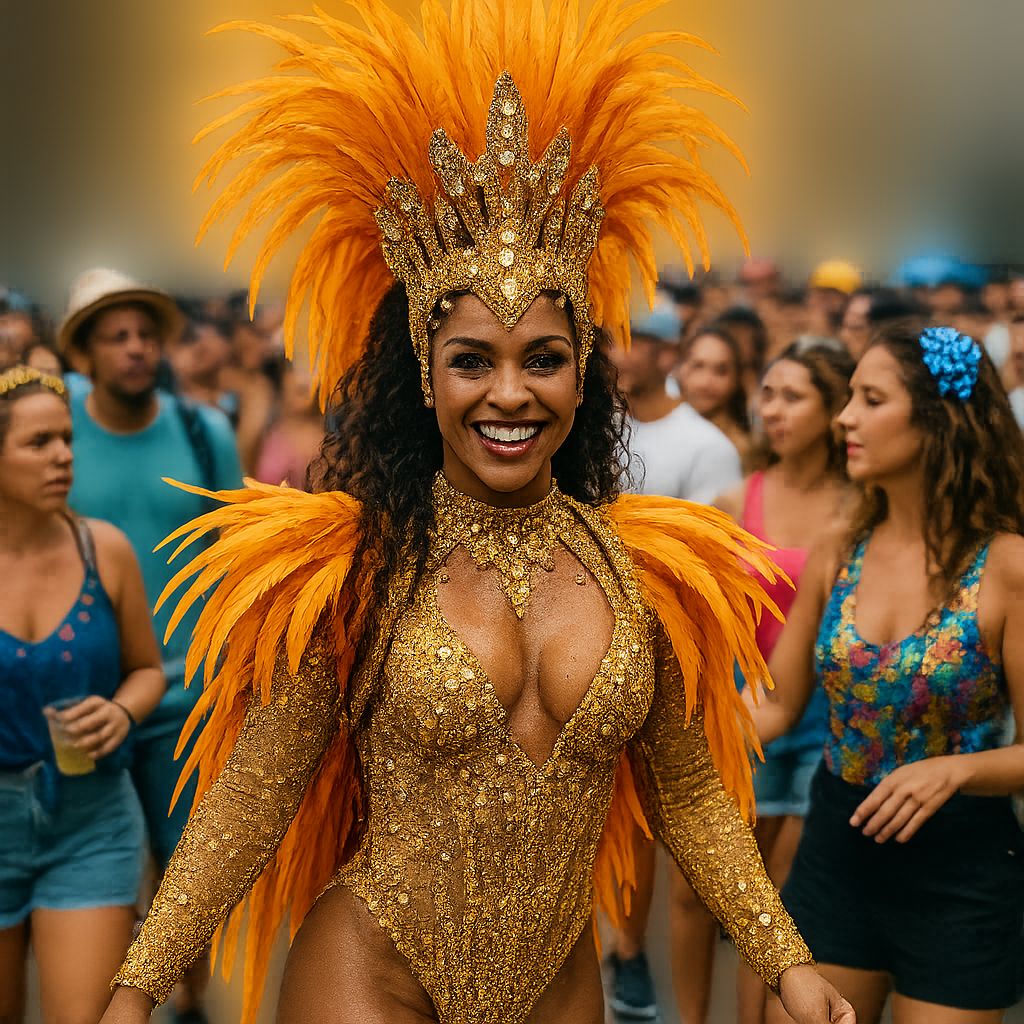
The Carnival of Rio de Janeiro is a multi-day festival that typically begins on a Friday evening and ends on the following Tuesday, known as Fat Tuesday. The festival is deeply rooted in Brazilian culture and has evolved over centuries, incorporating elements from various cultural influences, including African, European, and indigenous traditions. The main events of the Carnival include the Samba Parade, street parties known as "blocos," and various concerts and performances.
The Samba Parade is the highlight of the Carnival, featuring samba schools that compete for the title of the best performance. These samba schools spend months preparing elaborate floats, costumes, and choreographed routines that tell a specific story or theme. The parade takes place at the Sambadrome, a purpose-built venue that can accommodate thousands of spectators. The costumes worn by the participants are often made with intricate details and vibrant colors, showcasing the creativity and craftsmanship of the designers.
Street parties, or "blocos," are another integral part of the Carnival. These parties can be found throughout the city, with some of the most popular ones attracting hundreds of thousands of participants. The blocos feature live music, dancing, and a festive atmosphere that encourages everyone to join in the celebration. The music played during the Carnival is predominantly samba, a genre that originated in Brazil and is characterized by its rhythmic and energetic beats.
Historical Development
The origins of the Carnival of Rio de Janeiro can be traced back to the 18th century when Portuguese settlers brought the tradition of celebrating the days leading up to Lent. Over time, the festival incorporated elements from African and indigenous cultures, particularly through the influence of enslaved Africans who brought their own musical and dance traditions. The modern form of the Carnival began to take shape in the late 19th century with the introduction of the "Cordões," which were early forms of street parades.
In the early 20th century, the Carnival evolved further with the establishment of the first samba schools. These schools played a crucial role in popularizing samba music and dance, which became the defining features of the Carnival. The first official Samba Parade was held in 1932, and since then, it has grown into the spectacular event that it is today. The Carnival has also become a symbol of Brazilian identity and pride, showcasing the country's rich cultural heritage and diversity.
Application Area
- Tourism: The Carnival of Rio de Janeiro is a major tourist attraction, drawing millions of visitors each year. The festival contributes significantly to the local economy through tourism-related activities, including accommodations, transportation, and entertainment.
- Cultural Exchange: The Carnival serves as a platform for cultural exchange, bringing together people from different backgrounds and nationalities. It promotes understanding and appreciation of Brazilian culture and traditions.
Well Known Examples
- Samba Parade: The Samba Parade is the most famous event of the Carnival, featuring elaborate floats, costumes, and performances by samba schools. It is held at the Sambadrome and attracts thousands of spectators.
- Blocos: Street parties known as "blocos" are a popular part of the Carnival, featuring live music, dancing, and a festive atmosphere. Some of the most well-known blocos include "Cordão da Bola Preta" and "Banda de Ipanema."
Risks and Challenges
- Overcrowding: The large number of participants and spectators can lead to overcrowding, posing risks to public safety and health. Organizers must implement strict security measures to ensure the safety of all attendees.
- Environmental Impact: The Carnival generates a significant amount of waste, including discarded costumes and decorations. Efforts are being made to promote sustainability and reduce the environmental impact of the festival.
Similar Terms
- Carnival: A festival celebrated in many countries, typically involving public celebrations, parades, and costumes. The Carnival of Rio de Janeiro is one of the most famous examples of this type of festival.
- Samba: A genre of music and dance that originated in Brazil. Samba is a key component of the Carnival of Rio de Janeiro, with samba schools competing in elaborate parades.
Summary
The Carnival of Rio de Janeiro is a vibrant and culturally rich festival that attracts millions of visitors each year. It features elaborate parades, street parties, and performances that showcase the creativity and diversity of Brazilian culture. The festival has a long history, evolving from its origins in Portuguese traditions to incorporate elements from African and indigenous cultures. While it is a significant tourist attraction and platform for cultural exchange, it also faces challenges such as overcrowding and environmental impact. Despite these challenges, the Carnival remains a symbol of Brazilian identity and pride.
--