
Deutsch: Seetang / Español: Alga marina / Português: Alga marinha / Français: Algue marine / Italiano: Alga marina
Seaweed in the travel context refers to marine algae that often feature prominently in coastal destinations, offering diverse opportunities for Exploration, consumption, and cultural experiences. Seaweed plays a significant role in ecotourism, culinary tourism, and wellness travel, drawing visitors to its natural habitats and uses.
General Description
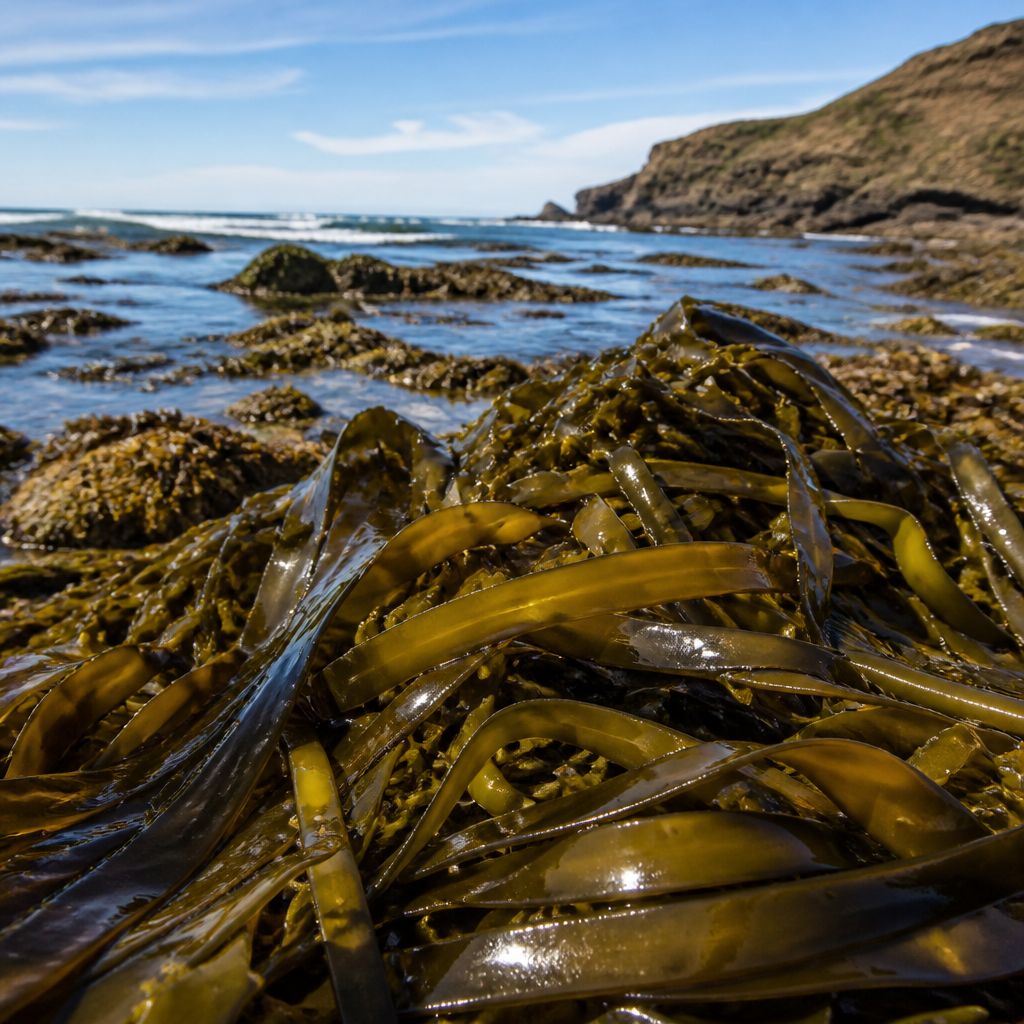
Seaweed is found in oceans worldwide, commonly along rocky shorelines and beaches. It ranges from small, edible varieties like nori to large kelp forests that serve as marine ecosystems. In the travel context, seaweed is associated with unique cultural, environmental, and recreational activities, making it a key element of coastal and marine tourism.
Destinations with rich seaweed biodiversity often integrate it into local traditions, gastronomy, and wellness practices, offering travellers a chance to connect with the Ocean’s resources in meaningful ways.
Applications of Seaweed in Travel
-
Culinary Tourism:
-
- Guided tours of kelp forests, snorkelling, or diving to explore marine habitats teeming with life.
- Conservation programs where visitors participate in Cleaning or restoring seaweed beds.
-
Wellness Tourism:
- Spa treatments using seaweed-based products, such as wraps or baths, valued for their mineral-rich properties.
- Nutritional workshops focusing on the health benefits of consuming seaweed.
-
Cultural Experiences:
- Learning about traditional uses of seaweed, such as in Indigenous medicine or crafts.
- Festivals celebrating seaweed harvesting, like Ireland’s annual Seaweed Festival.
Popular Destinations for Seaweed Tourism
-
- Famous for its extensive use of seaweed in cuisine, including nori, kombu, and wakame.
-
- Seaweed farming and cuisine are central to coastal communities, often showcased in markets and restaurants.
-
Ireland:
- Known for its traditional seaweed baths and culinary uses of Atlantic seaweed varieties.
-
- Offers tours of kelp forests and educational programs about marine ecosystems.
-
Nordic Countries:
Benefits of Seaweed in the Travel Context
- Culinary Appeal: A unique and sustainable ingredient that enhances local food experiences.
- Environmental Education: Promotes awareness of marine ecosystems and the importance of biodiversity.
- Health and Wellness: Offers therapeutic properties, enriching spa and nutritional travel.
- Cultural Connection: Highlights the historical and traditional significance of seaweed in coastal communities.
Challenges and Considerations
- Environmental Impact: Over-harvesting of seaweed can disrupt marine ecosystems. Sustainable practices are crucial.
- Accessibility: Not all regions have the infrastructure or expertise to safely showcase seaweed tourism.
- Education: Visitors may lack awareness about the ecological role of seaweed, requiring informative tours or workshops.
- Weather Dependency: Activities like seaweed harvesting or kelp forest diving depend on favourable weather and ocean conditions.
Similar Terms
- Marine Ecotourism: Broader category encompassing all tourism related to marine ecosystems, including seaweed.
- Culinary Tourism: Travel focused on exploring local food, with seaweed as a regional highlight in coastal areas.
- Wellness Travel: Incorporates seaweed in spa treatments or nutrition-focused itineraries.
- Blue Tourism: Sustainable travel that emphasises oceanic and coastal resources.
Weblinks
- glorious-food-glossary.com: 'Seaweed' in the glorious-food-glossary.com
- umweltdatenbank.de: 'Seetang' im Lexikon der umweltdatenbank.de (German)
Summary
In the travel context, seaweed serves as a Gateway to unique culinary, cultural, and ecological experiences. It enriches coastal destinations with opportunities for education, wellness, and Sustainability. Whether through a spa treatment, a kelp forest dive, or a traditional seaweed dish, seaweed tourism fosters a deeper connection to the ocean and its many treasures.
--
Related Articles to the term 'Seaweed' | |
| 'Dining' | ■■■■■■■■■■ |
| Dining in the context of travel refers to the experience of eating and exploring local cuisine in various . . . Read More | |
| 'Daydream Island' | ■■■■■■■■■■ |
| Daydream Island is a small island located in the Whitsundays, a group of islands off the coast of Queensland, . . . Read More | |
| 'Preservation' | ■■■■■■■■■■ |
| Preservation in the travel context refers to the protection, maintenance, and safeguarding of natural, . . . Read More | |
| 'Libreville' | ■■■■■■■■■■ |
| Libreville is the capital and largest city of Gabon, located on the northwest coast of Central Africa . . . Read More | |
| 'Heritage' | ■■■■■■■■■■ |
| Heritage: The concept of heritage plays a central role in travel and tourism, shaping destinations and . . . Read More | |
| 'Biarritz' | ■■■■■■■■■ |
| Biarritz is a glamorous seaside town located on the southwestern coast of France, near the border with . . . Read More | |
| 'Sustainability' | ■■■■■■■■■ |
| Sustainability in the travel context refers to practices and approaches that aim to minimize the negative . . . Read More | |
| 'Responsible Travel' | ■■■■■■■■■ |
| Responsible Travel: Responsible travel is a form of tourism that prioritises minimising negative impacts . . . Read More | |
| 'Aqaba' | ■■■■■■■■ |
| Aqaba is a coastal city in Jordan, located at the northeastern TIP of the Red Sea. Known for its vibrant . . . Read More | |
| 'Lázaro Cárdenas' | ■■■■■■■■ |
| Lázaro Cárdenas is a coastal city located in the state of Michoacán, Mexico. It is primarily known . . . Read More | |